Uncategorized
Understanding the Legal Landscape: Statutory Audit in the Netherlands
In the realm of financial compliance and transparency, the Netherlands boasts a robust framework for statutory audits. A statutory audit Netherlands is a crucial part of the regulatory environment that ensures the accuracy and reliability of financial statements. Let’s delve into the general information surrounding statutory audits in the Dutch business context.
The Basics of Statutory Audits
A statutory audit in the Netherlands is a legally required examination of a company’s financial records and statements by an independent auditor. This process aims to provide assurance to stakeholders, investors, and regulators that the financial information presented is accurate and in compliance with relevant laws and regulations. Dutch law mandates that certain entities, based on their size, turnover, and industry, must undergo an annual statutory audit to safeguard financial integrity and transparency.
Role of Auditors in the Netherlands
Auditors in the Netherlands play a pivotal role in upholding the integrity of financial reporting. They are independent professionals tasked with evaluating the financial statements of companies to ascertain their fairness and compliance with accounting standards. Auditors must adhere to strict ethical guidelines and professional standards while conducting audits to ensure objectivity and reliability in their assessments. Their ultimate goal is to provide an independent opinion on the financial health and performance of the audited entity.
Regulatory Framework and Compliance
The Dutch regulatory framework for statutory audits is designed to promote accountability, transparency, and investor confidence. Various laws and regulations govern the audit process, including the Dutch Civil Code, the Auditing Profession Act, and European Union directives on auditing standards. Compliance with these regulations is paramount for both auditors and audited entities to maintain the credibility and trustworthiness of financial reporting in the Netherlands.
—
Verder lezen

AI marketing met ValueGiG
ValueGiG, strategisch gelegen in het kloppende technologische centrum van Eindhoven, Nederland, is een baanbrekend digitaal marketingbureau dat AI Marketing in het digitale…
Lees het verhaal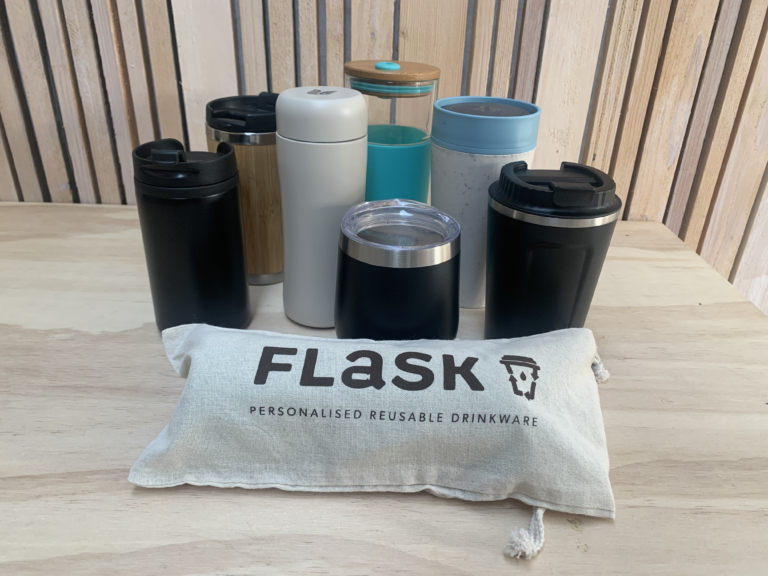
Wetgeving koffiebekers en wegwerpverpakkingen
Eind 2023 dient er betaald te worden voor plastic wegwerpbekers en voedselverpakkingen. Bedrijven dienen een alternatief aan te bieden dat opnieuw gebruikt…
Lees het verhaal
Ontdek de ultieme bron van persoonlijke verzorging op Baess.nl
In de wereld van persoonlijke verzorging is het van cruciaal belang om hoogwaardige producten te vinden die aan al je behoeften voldoen.…
Lees het verhaal